The rules on the Edit credit
Every condition attached to the $250 Edit credit and the $250 Select Hotels credit, stated as rules rather than buried in a tutorial — including the one that quietly forfeits part of the credit at 26 properties here.
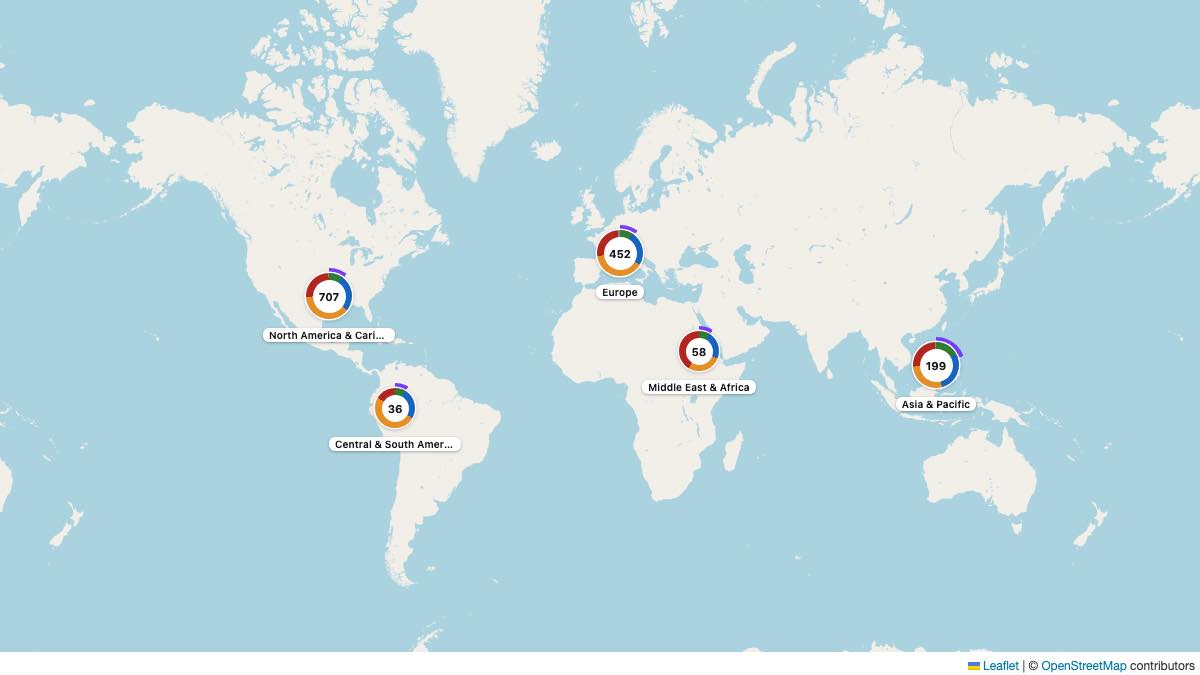 Open the interactive map →
The credit is not a discount and not a coupon. It is a statement credit that reimburses a charge you have already paid, and every rule below follows from that. These are the conditions as Chase states them, plus the two places where Chase’s own wording is unclear and this site says so rather than guessing.
The four rules that decide whether you get anything
- Two nights minimum. A one-night stay earns nothing at all. There is no partial credit for a shorter booking. If most of your stays are one night, the Amex Platinum’s hotel credit has no minimum at Fine Hotels + Resorts.
- Booked through Chase Travel, prepaid. The stay has to be made in The Edit by Chase Travel and paid up front. A rate booked direct with the hotel, through another site, or payable at check-out does not qualify, and it cannot be claimed afterwards.
- Paid in cash, not points. The credit reimburses a cash charge. Redeem the whole stay with points and there is nothing left to reimburse. A mix works, so long as cash covers the amount you want back.
- Whatever you do not spend, you lose. The credit reimburses up to its cap and no further, and the remainder expires. It does not roll into the next booking.
The fourth rule is the expensive one
It is the only rule here that costs you money while everything looks like it went right. On our sampled two-night prices, 26 of the 1,439 priced properties come in below the credit they qualify for — the booking succeeds, the credit posts, and part of it simply expires. A $460 stay against a $500 cap returns $460 and forfeits $40. A $505 stay against the same cap returns the full $500 and costs $5 out of pocket. The second booking is $35 better despite the higher price, which is why this site ranks by what you actually pay rather than by room rate.
Dates and deadlines
- The Edit credit runs on the calendar year and resets each January. No carryover.
- Two bookings, not one. For 2026 it is two separate $250 credits, each against its own qualifying stay — $500 across the year, not $500 on a single reservation.
- The Select Hotels credit is one-time and 2026-only. It expires on 31 December 2026, 67 days from this update, and it is what makes the $500 stack possible at 168 properties. After that date those properties cap at $250 like everything else.
Two things Chase has not made clear
Resort fees. Chase’s worked example says the credits apply "before taxes and fees"; NerdWallet reports Edit rates are shown inclusive of taxes and fees, with resort fees filed under taxes. Those cannot both be true and we have not been able to reconcile them. Assume the fee is yours and be pleasantly surprised.
Cancelling near the year boundary. A cancelled booking returns the credit, but cardholders report that rebooking before the clawback has processed can leave it unapplied. What happens to a credit returned in late December, when the benefit year is about to reset, is documented nowhere.
Things that are allowed and often assumed not to be
- You can put both Edit credits on one trip. Book four nights as two back-to-back prepaid reservations of two nights each, and each takes one $250 credit. Chase briefly said in August 2026 that back-to-back stays at the same hotel count as one stay, then withdrew the wording and confirmed both still qualify.
- You do not have to ask for the on-property benefits. Breakfast for two and the $100 property credit come with every Edit booking, at every property, whatever you paid. What a stay includes.
- You can still earn hotel points at some properties, through Chase’s Loyalty Plus — the same brand families as the Select Hotels credit.
- There is a price match, though not one to plan around: 24 hours to file, the competing rate has to match on property, dates, room type, occupancy and cancellation terms, and the gap has to exceed $5.
Frequently asked questions
What disqualifies a booking from the Edit credit?
Four things, any one of which is enough: a stay of one night, a booking made anywhere other than the Chase Travel portal, a booking that is not prepaid, and a stay paid entirely in points. The credit reimburses a prepaid cash charge on a stay of two nights or more booked through The Edit by Chase Travel. Nothing else qualifies, and there is no way to claim it retroactively on a stay booked direct with the hotel.
Is the Edit credit per stay or per year?
Per booking, twice a year. For 2026 the Edit benefit is two separate $250 statement credits, each applying to its own qualifying booking, for $500 across the calendar year rather than $500 on one stay. It resets each January with no carryover. Several of Chase’s own education pages still describe the retired 2025 structure, where one $250 had to be used January to June and the other July to December; that split no longer applies.
Can I split one stay into two bookings to use both $250 credits?
Yes. Book a stay of four nights or more as two separate prepaid reservations of at least two nights each, back to back at the same hotel, and each reservation takes one of your two $250 Edit credits — $500 on one trip. On 16 August 2026 Chase added wording to the benefit page saying back-to-back stays at the same property within 24 hours of checkout count as a single stay, with only the first eligible. It removed that wording within days, and a Chase spokesperson confirmed that back-to-back stays still qualify for both credits. It uses both of the year’s Edit credits at once, so there is none left for a later trip.
Can I use points instead of cash and still get the credit?
Only partly. A statement credit reimburses a cash charge, so a stay redeemed entirely with points leaves nothing to reimburse and earns no credit at all. You can mix points and cash, but the cash portion has to cover at least the amount you want credited back.
What happens to the credit if I cancel an Edit booking?
Chase says a cancelled reservation returns the credit, which then applies automatically to a new one, and that any points issued at booking are deducted at the same time. The undocumented part is timing: cardholders report that rebooking immediately, while the tracker still reads $0 available, can leave the credit unapplied, and that waiting for the clawback to process first avoids it. What happens across a December 31 boundary is not published anywhere.
My Edit credit has not posted yet. Is it OK to cancel the booking?
There is usually no need to. Chase applies the credit when the prepaid charge settles, not after the stay, and says it typically appears 3 to 5 days after the transaction settles and can take up to two billing cycles to show on a statement. So a credit missing a week after booking is normal. If you do cancel, Chase says the credit is returned and applies automatically to your next qualifying reservation. What Chase does not say is what happens if you cancel before the credit has posted at all, and no rule covers that case. Before cancelling, look at the credit tracker in your Chase account: if it already counts the $250 as used, this booking has claimed it. If you are cancelling to rebook, wait until the clawback shows before booking again. At least one cardholder reports rebooking straight away and never getting the credit back.
Do resort fees count toward the credit?
Nobody can say for certain, and this site will not pretend otherwise. Chase’s own worked example describes the statement credits as applying "before taxes and fees", while NerdWallet reports that Edit rates in the portal are shown inclusive of taxes and fees and that Chase files resort fees under taxes — which would mean the credit does absorb them. The two accounts contradict each other. Budget as though any resort fee is on you.
Open the map and filter 1,454 properties
How the credit maths works · Whether the card pays for itself · The 26 stays the credit covers in full · If the credit does not fit how you travel
Know when The Edit changes
Hotels join and leave The Edit, and nothing tells you which. We’ll email you what changed, any change to how the credits work, and a heads-up before 31 December, when the Edit credit resets and the $250 Select Hotels credit ends for good.
Email me when hotels join or leave The Edit, when the credit rules change, and before my credits expire — about once a month. Unsubscribe from any email. Privacy.